TikTok Post Analytics Tool for Ecommerce Brands Built for Performance Marketing
If you manage performance marketing for an ecommerce brand, you already know that TikTok content moves fast and the data behind it matters more than ever. A TikTok post analytics tool for ecommerce brands gives you the visibility to connect individual video performance to real business outcomes like product launches, paid amplification decisions, and PDP content strategy. Without structured post-level data, you are guessing which creators, formats, and hooks actually drive results.
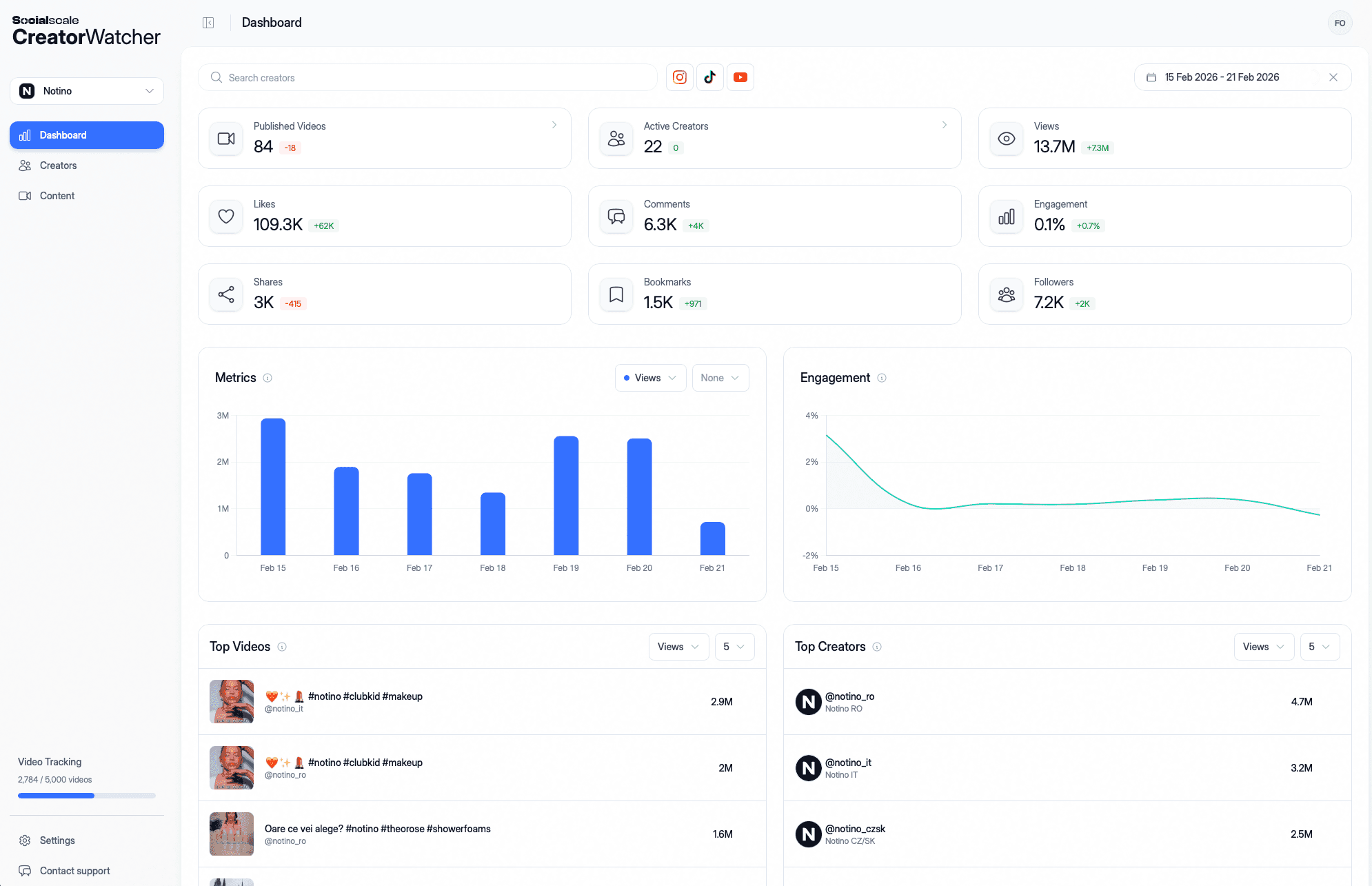
CreatorWatcher was built to solve this exact problem. It tracks post-level signals across creator and brand accounts so performance marketing managers can benchmark content, monitor spikes in engagement, and report on what is working without stitching together screenshots and spreadsheets. Whether you are evaluating a creator partnership for a seasonal launch or deciding which organic TikTok video deserves paid spend behind it, the tool gives you a single place to watch, compare, and act.
This page walks through the specific challenges ecommerce teams face on TikTok, why legacy tools fall short, and how CreatorWatcher fits into a performance-first workflow.
Challenges Ecommerce Performance Marketers Face on TikTok
1. Product Launch Content Disappears Into the Feed
When you coordinate a product launch across multiple creators, dozens of TikTok videos go live within a tight window. Tracking which posts gained traction and which fell flat requires checking each account individually. Without centralized tracking, launch retrospectives rely on memory and partial data.
2. Paid Amplification Decisions Lack Post-Level Context
Deciding which organic TikTok video to put paid spend behind is one of the highest-leverage calls a performance marketing manager makes. But if you cannot compare view velocity, comment sentiment, and share rates across posts side by side, you end up boosting content based on gut feel rather than signal.
3. PDP Content Performance Is Hard to Attribute
Ecommerce brands increasingly use TikTok videos as product detail page content or reference points for creative briefs. Knowing which TikTok posts resonate enough to repurpose for PDP requires structured performance data that most teams do not collect consistently.
4. Creator Output Quality Varies Wildly
A creator who delivered strong results for one SKU may underperform on the next. Without post-level tracking tied to specific campaigns or product categories, you cannot identify patterns in creator reliability or content quality over time.
5. Competitor Benchmarking Is Manual and Inconsistent
Ecommerce competitors are launching TikTok campaigns constantly. Monitoring their post cadence, engagement levels, and content angles manually is time-consuming and rarely done with enough rigor to produce actionable insights.
6. Reporting Across Stakeholders Takes Too Long
Performance marketing managers report to brand leadership, agency partners, and sometimes retail buyers. Pulling TikTok data into a format each stakeholder understands eats hours every week, especially when the raw data lives in native dashboards that were not designed for cross-account comparison.

Why Native Analytics and Manual Tracking Fall Short
TikTok Native Analytics Only Show Your Own Accounts
TikTok's built-in analytics give you metrics for accounts you own. If you work with external creators or want to monitor competitor brands, you have no visibility. For ecommerce teams running multi-creator campaigns, this is a fundamental gap.
Spreadsheets Cannot Keep Up With TikTok's Pace
Manually logging views, likes, comments, and shares into spreadsheets might work for a handful of posts. But ecommerce brands running product launches with ten or more creators posting multiple videos each will quickly find that spreadsheet-based ecommerce TikTok video performance tracking breaks down within days.
Social Listening Tools Focus on Mentions, Not Post Performance
Most social listening platforms are designed to track brand mentions and sentiment across text-heavy platforms. They were not built to monitor individual TikTok video metrics over time, which is exactly what performance marketing managers need when evaluating content for paid amplification or creative iteration.
Influencer Platforms Prioritize Discovery Over Ongoing Tracking
Many influencer marketing tools help you find creators but offer limited post-level analytics after content goes live. Once a video is published, you are back to manual checking unless you have a dedicated tracking layer.
Screenshots and Screen Recordings Are Not Scalable Reporting
It is common for ecommerce teams to screenshot TikTok metrics and paste them into slide decks. This approach does not scale, introduces errors, and makes it nearly impossible to track performance trends over weeks or months.
Use Cases for Ecommerce Teams
Coordinated Product Launch Tracking
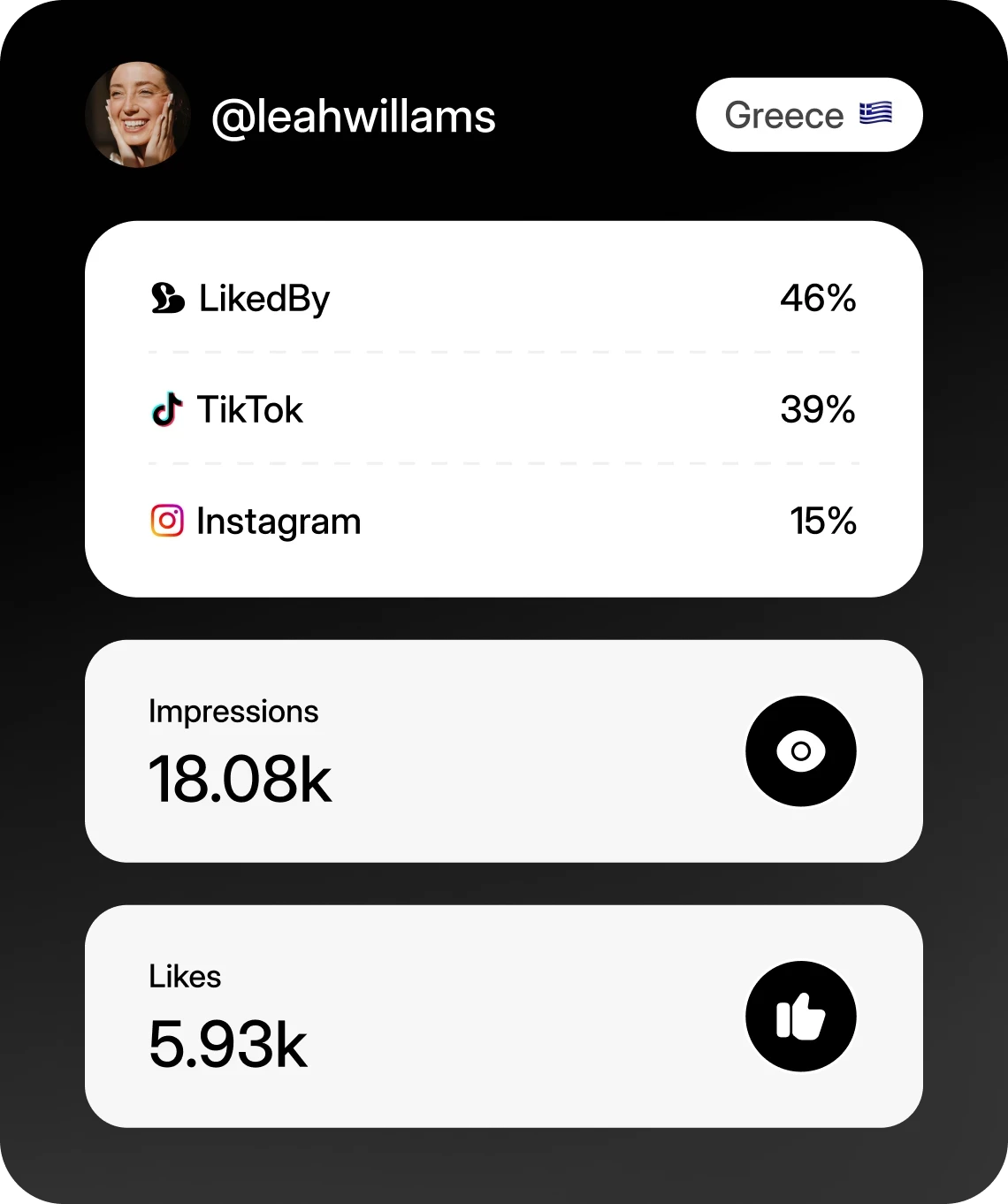
An ecommerce brand launches a new product line with eight creators posting TikTok videos over a 48-hour window. The performance marketing manager uses CreatorWatcher to track every post in real time, compare engagement across creators, and identify the top three videos for immediate paid amplification. Post-launch, the same data feeds into a retrospective report shared with brand leadership.
Paid Amplification Prioritization
A DTC brand allocates a weekly budget to boost organic TikTok content. The performance marketing manager monitors engagement velocity across all new posts from creator partners and selects the videos showing the strongest early signals. By using structured post-level data instead of manual checks, the team consistently picks higher-performing content for paid spend.
Competitive Intelligence for Seasonal Campaigns
An ecommerce team preparing for a holiday campaign tracks five competitor brand accounts and their known creator partners on CreatorWatcher. Over six weeks, they analyze posting frequency, content formats, and engagement benchmarks. The insights shape their own campaign brief, helping them differentiate rather than duplicate what competitors are doing.
Creator Partnership Evaluation
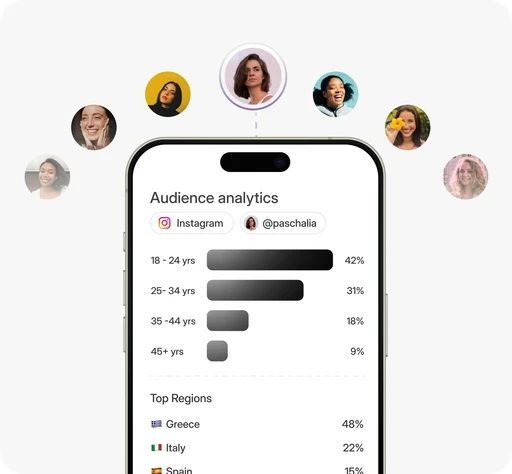
A performance marketing manager is deciding whether to renew contracts with four creators. Using CreatorWatcher's historical post data, they compare each creator's average engagement rate, view-to-share ratio, and consistency across multiple product categories. The data supports a clear recommendation to leadership about which partnerships to continue and which to sunset.
Performance Optimization Workflow in 6 Steps
Add Accounts to Track: Input your brand TikTok accounts, creator partner handles, and key competitor profiles into CreatorWatcher. Group them by campaign, product line, or competitive set for easy filtering.
Monitor New Posts Automatically: As tracked accounts publish new TikTok videos, CreatorWatcher captures each post and begins recording engagement metrics. No manual logging required.
Identify High-Velocity Content: Review posts that are gaining engagement faster than baseline. Flag these videos as candidates for paid amplification or internal distribution to stakeholders who need to see what is working.
Benchmark Creator and Competitor Performance: Compare post-level metrics across creators and against competitor accounts. Look for patterns in content format, posting time, and hook style that correlate with stronger performance.
Generate Stakeholder Reports: Export structured reports organized by campaign, creator, or date range. Share these with brand leadership, agency partners, or retail buyers without rebuilding the data from scratch each cycle.
Refine Strategy Based on Data: Use accumulated post-level insights to adjust creator briefs, reallocate paid budgets, and identify which PDP content candidates deserve repurposing. Learn more at https://creatorwatcher.com to see how this workflow fits your team.
KPIs That Matter for Ecommerce TikTok Performance
These are the post-level and account-level metrics that performance marketing managers should track consistently when running ecommerce campaigns on TikTok.
Video view count per post
Engagement rate (likes + comments + shares relative to views)
View-to-share ratio (a signal of content virality and organic reach potential)
Comment volume and velocity (useful for gauging audience reaction to product launches)
Posting frequency per creator or brand account
Engagement velocity in the first 24 and 48 hours after publish
Creator-level average engagement across multiple posts
Competitor post engagement benchmarks by content format
Top-performing post identification for paid amplification candidates
Historical engagement trend per tracked account over 30, 60, and 90 days
Scenario: Optimizing a Product Launch Campaign
A mid-sized ecommerce team selling skincare products planned a TikTok-first launch for a new SPF line. They partnered with twelve creators and gave each a brief focused on demonstrating the product in daily routines. The performance marketing manager added all twelve creator accounts to CreatorWatcher before the launch window opened.
Over the first 48 hours, the team tracked every post as it went live. Instead of checking each creator's profile manually, they used CreatorWatcher to compare engagement velocity across all twelve videos in one view. Three posts showed significantly higher view-to-share ratios than the rest, and the team flagged those for paid amplification within the first day.
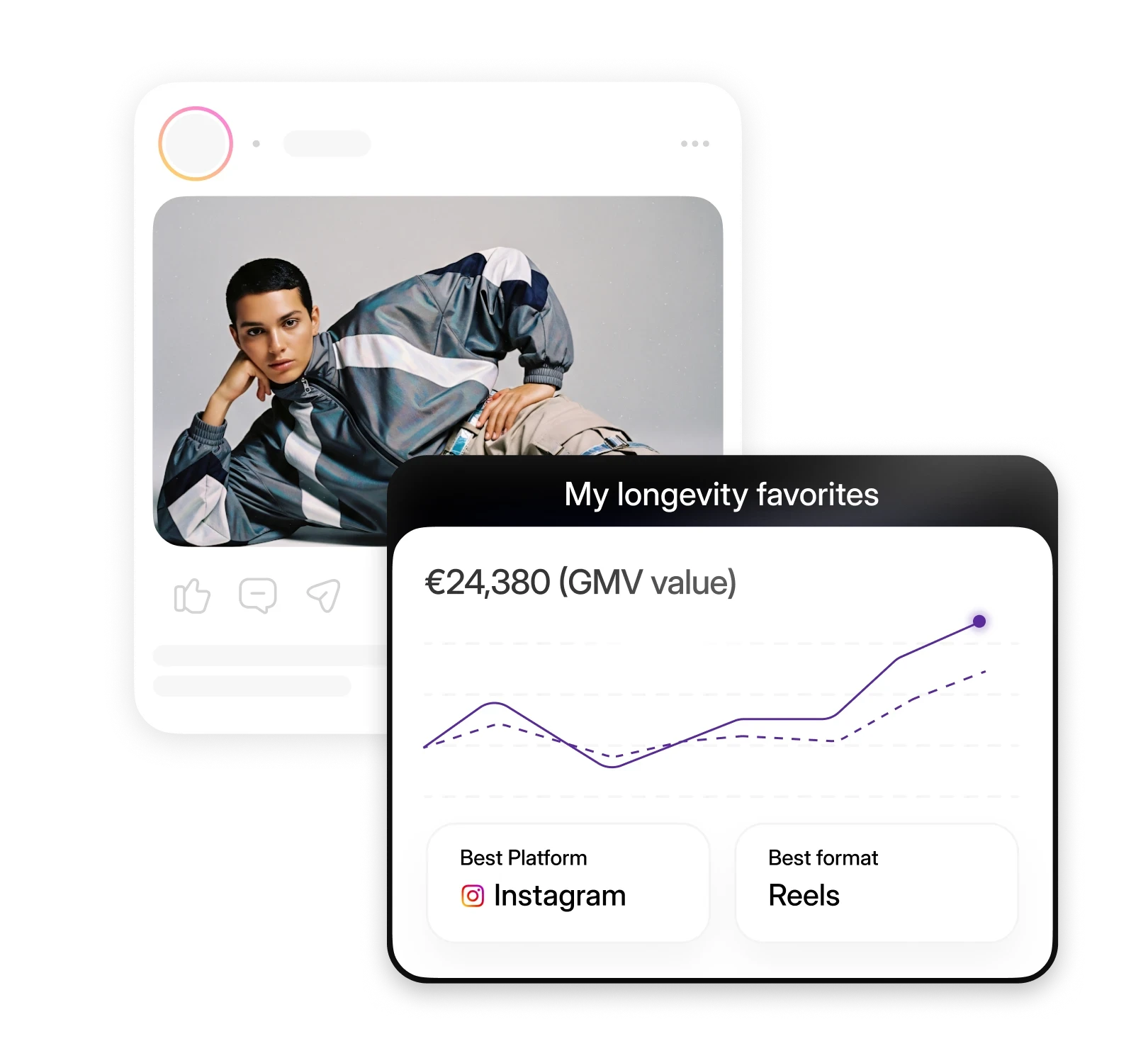
By the end of the launch week, the team had a complete dataset showing which creators drove the strongest engagement, which content formats performed best, and which videos were strong candidates for PDP content on the product pages. The performance marketing manager used CreatorWatcher's reporting exports to build a launch retrospective in under an hour, a process that previously took most of a day.
The team set a target of reducing report-building time by 50% and improving paid amplification selection accuracy. Based on the structured data from CreatorWatcher, they were able to reallocate budget toward the highest-performing creators for the next launch cycle and retire two partnerships that consistently underperformed benchmarks.
Frequently Asked Questions
Can I track TikTok creator accounts I do not own?
Yes. CreatorWatcher monitors publicly visible post-level data, so you can track creator partners, competitor brands, and any other public TikTok account without needing login credentials or permissions from the account holder.
How quickly does CreatorWatcher pick up new TikTok posts?
New posts from tracked accounts are captured as they become publicly visible. This allows performance marketing managers to monitor product launch content and identify paid amplification candidates while engagement is still building.
Is CreatorWatcher useful for deciding which TikTok videos to boost with paid spend?
Absolutely. By comparing engagement velocity and view-to-share ratios across posts, you can make data-informed decisions about which organic videos deserve paid amplification rather than relying on intuition or incomplete data.
Can I use CreatorWatcher to track competitor ecommerce brands on TikTok?
Yes. Add competitor brand accounts and their known creator partners to your workspace. You will see their posting cadence, engagement benchmarks, and content patterns, which helps you shape your own strategy during competitive launch windows.
How does CreatorWatcher help with reporting to stakeholders?
The tool provides structured reporting exports organized by campaign, creator, or time period. Instead of rebuilding reports from screenshots each week, you export consistent data that can be shared with brand leadership, agency teams, or retail partners. Visit https://creatorwatcher.com to explore the reporting workflow.